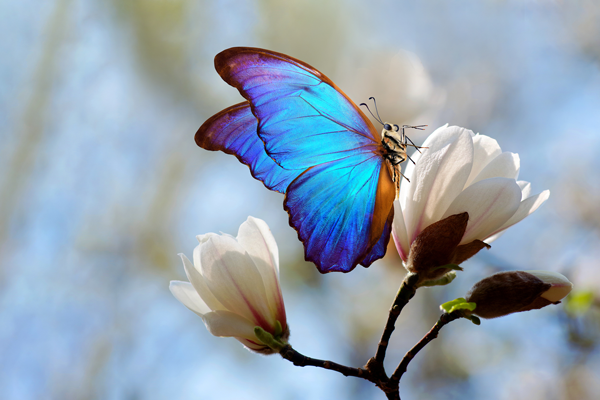
Butterflies bring joy to us when they fly by and visit plants. We know the climate crisis is impacting many habitats, plants, and animals around the world. What about the effect on butterflies? A new study from 2025 found that “…climate change may have a devastating effect on many butterfly populations worldwide.” Two-thirds of butterfly species live primarily in tropical and subtropical mountains. And those mountain ecosystems are quickly changing. Because of the climate crisis temperatures are rising and shrinking the cooler refuges butterflies need.
Butterflies and Plants
As the butterflies move to higher elevations, they still need plants that provide food and host their larvae (caterpillars). Some butterflies depend on a single host plant species, while others rely on several.
Scientists modeled changes due to climate change in butterfly and plant species in Asia. They found that 17 of the 24 butterfly species would experience a disconnect from their host plants because of rising temperatures. Researchers said, “Indeed, for many butterfly species, host plant availability will be a key limiting factor that constrains distribution.”
Brilliant Wings are Important.
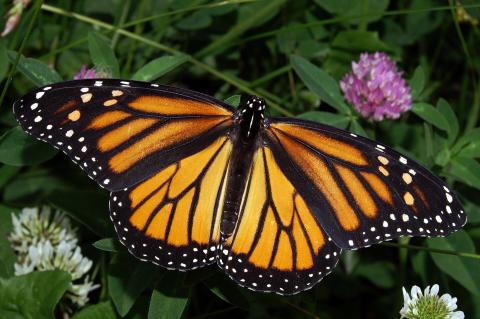
The bright and colorful wings of many butterflies bring us awe. Those wings have become dull and faded as temperatures rise. Pigmentation decrease is a real problem affecting butterflies all over the world. Butterflies use their wing colors to regulate their body temperature and to attract mates. Darker colors absorb more heat, while lighter colors reflect heat. Butterflies with lighter-colored wings are having more difficulty regulating their body temperature, leading to stress, disease and even death.
Monarchs
What about the charismatic monarch butterflies? Climate change is altering weather patterns, making storms more severe and droughts longer, disrupting the environmental cues monarchs rely on for their migration.
Monarch butterfly populations have been in steep decline in the last decade. In the 1990s the winter population at the Mexican colonies was estimated to be in the hundreds of millions, but it now rarely tops 60 million. In the winter of 2024 the estimate was about 38 million. It's not all bad news. The Mexican overwintering population increased by 64%.
The butterflies covered its largest area since 2018.
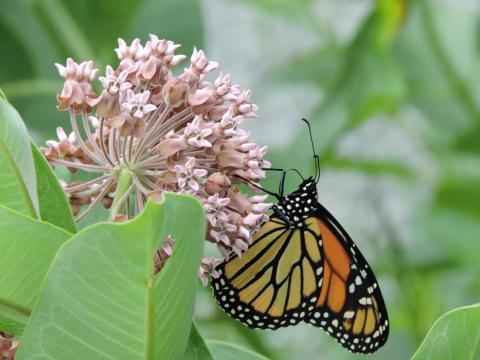
Climate change has impacted the eastern monarchs (who overwinter in Mexico) in several ways. The increased heat and drought due to climate change have reduced the abundance of nectar plants along the fall and winter migration routes. In the overwintering areas, deforestation, beetle infestations increased by climate change, and warmer temperatures threaten colonies.
Millions of western monarchs once spent winters clustered in groves of trees along the central California coast. In 2020 researchers counted only 20,000. For a few years, the population rebounded: almost 233,000 in 2023-2024. But, the late November through early December 2025 count was “approximately 12,260 across 249 sites during the typical peak overwintering period” along California’s coast. This is the third-lowest tally since the count began in 1997. The western monarchs are threatened by prolonged drought and intensifying storms due to climate change.
The climate crisis is the the only threat to monarchs. Researchers found high levels of pesticides in butterflies in Pacific Grove, California after a mass die-off there in January, 2024. They found residues of seven different pesticides.
What We Can Do
Identification and preservation of key butterfly habitats and migratory corridors are key to ensuring butterfly diversity to survive and benefit future generations. Fortunately, we can play a part by:
- Planting flowers that are attractive to monarchs and other butterflies for the nectar.
- Planting milkweed in its native range for monarchs to lay their eggs.
- NOT using pesticides.
- Planting a pollinator garden.
For more information: https://xerces.org/western-monarch-call-to-action