When an iceberg broke loose from an ice shelf in the Antarctic, scientists conducting research nearby seized the opportunity. They wanted to look at the newly-exposed seafloor 209 square miles deep.
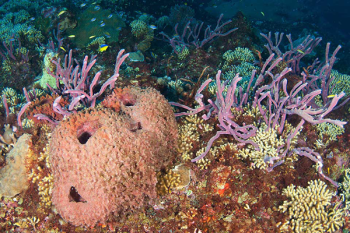
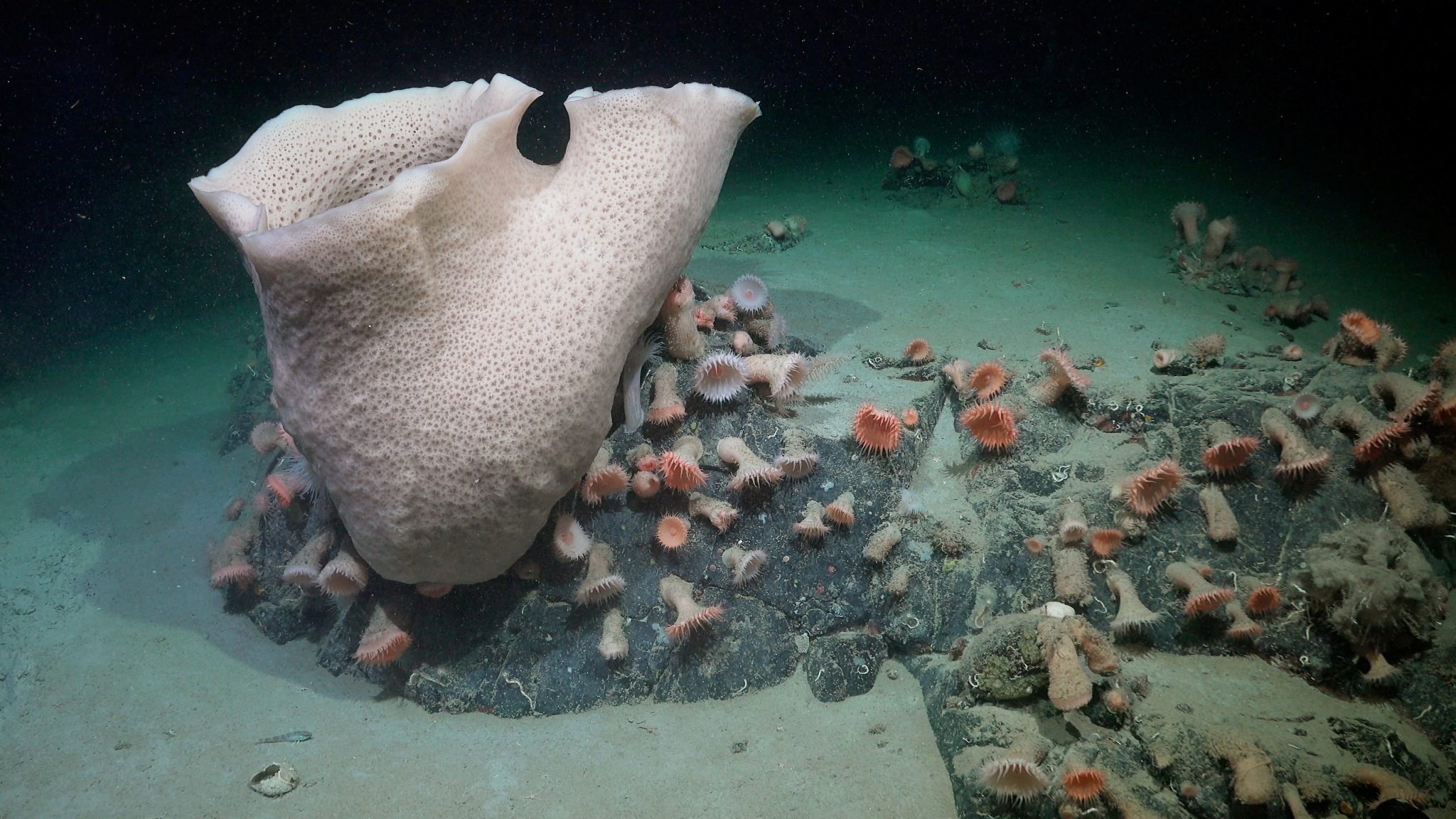
Researchers on board the Schmidt Ocean Institute’s remote vehicle Falkor were curious about what had been hidden beneath the ice: What they found was a rich ecosystem with giant sponges and corals supporting a diversity of life. The fish, sea spiders, octopuses, and other animals survive without nutrients drifting from the surface waters above.
Since the community has been covered by 150-meter-thick (almost 500 feet) ice for centuries, food must reach it in a different way. The research team hypothesizes that ocean currents bring nutrients to life beneath the ice sheet.